North Indian Cuisine: Rich, Creamy, and Bread-Centered
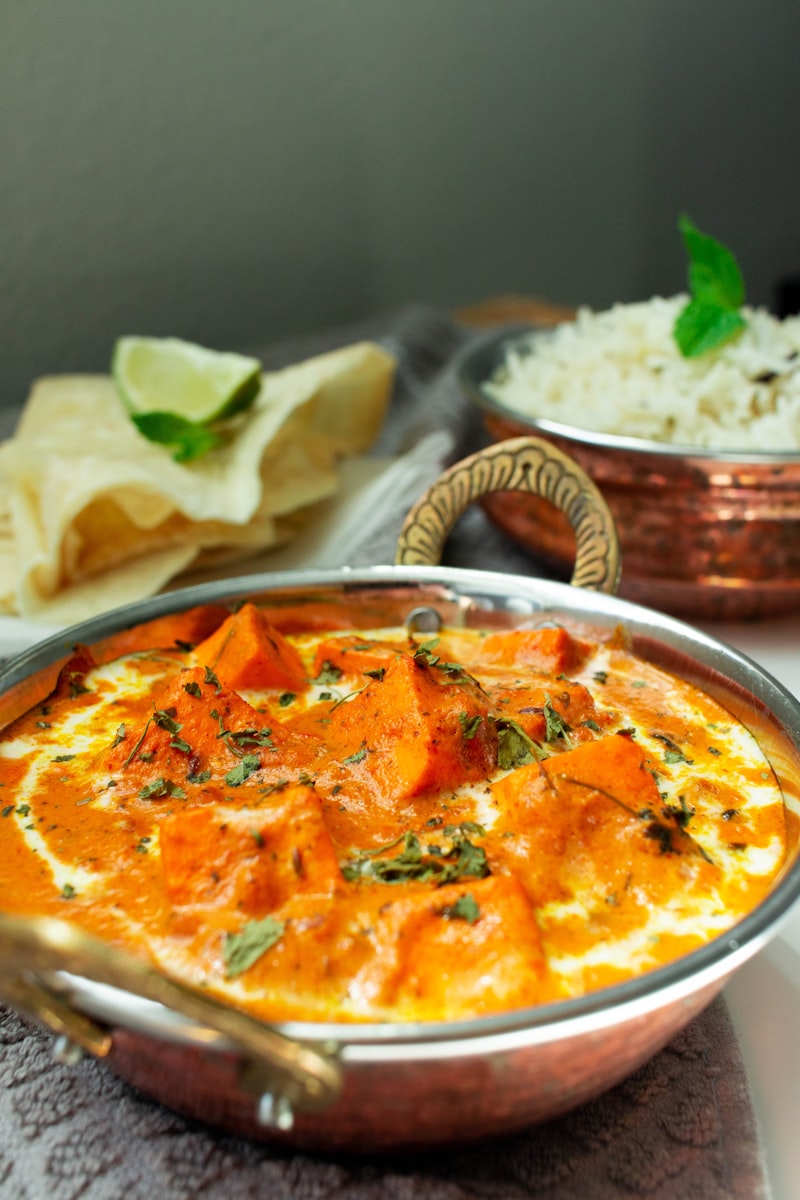
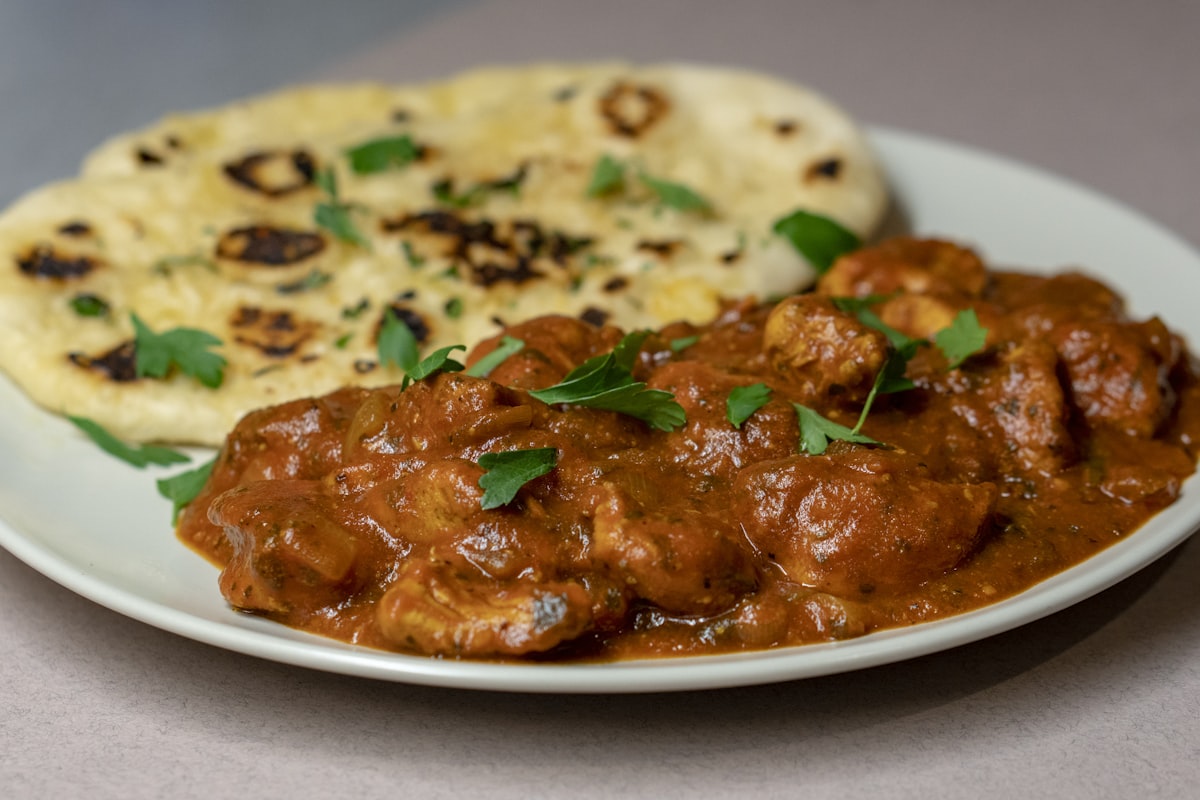
North Indian food is what most people worldwide recognize as "Indian food." This is the land of butter chicken, creamy dal makhani, palak paneer, and tandoori kebabs. The cuisine is heavily influenced by Mughal cooking traditions, which introduced rich cream-based sauces, dried fruits, and the iconic tandoor (clay oven) that produces the beloved naan bread.
Wheat is the dominant grain in the north. Families eat roti, naan, paratha, and kulcha daily. The gravies tend to be thick, creamy, and aromatic — built on a base of onions, tomatoes, ginger, garlic, and a carefully balanced spice mix. Dairy plays a central role: ghee (clarified butter) is used for cooking, yogurt appears in marinades and raita, and paneer (fresh cottage cheese) is a staple protein for vegetarians.
South Indian Cuisine: Light, Tangy, and Rice-Based
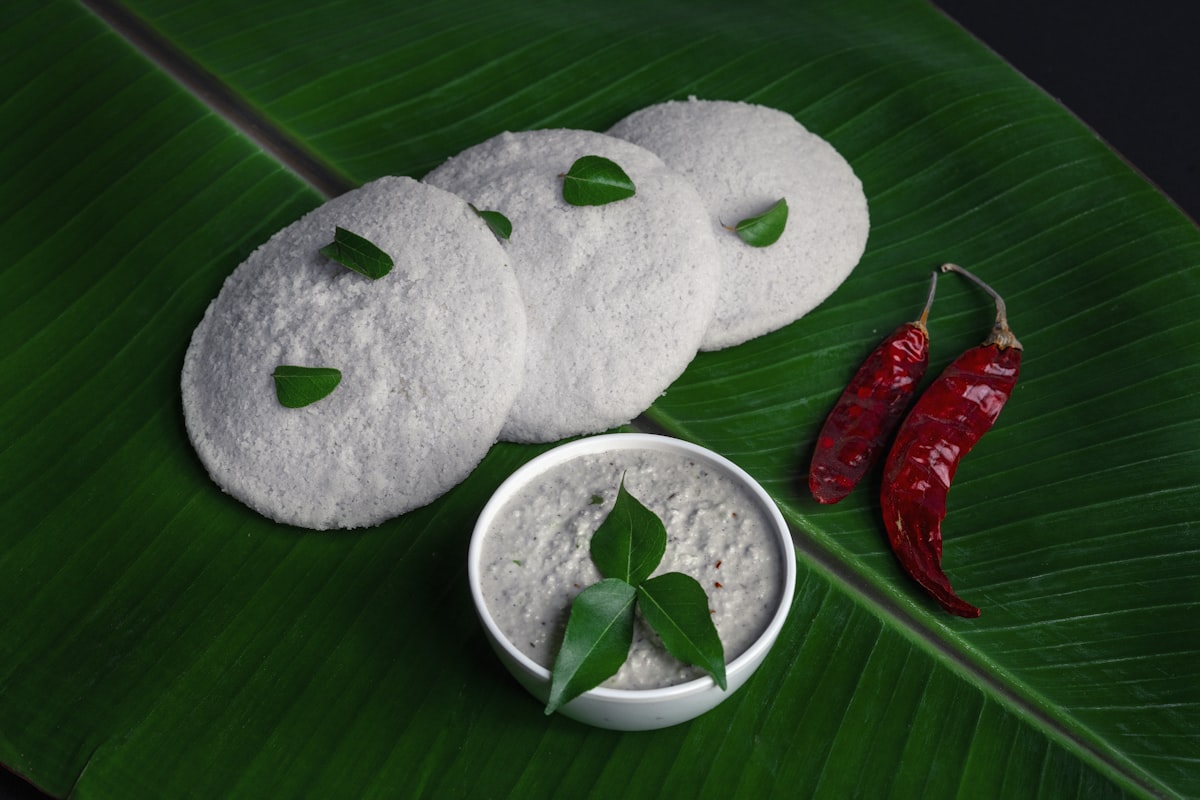
South Indian food is a completely different experience. Rice is king here, and it appears in every form imaginable: steamed rice, idli (steamed rice cakes), dosa (crispy rice crepes), uttapam (rice pancakes), and appam (fermented rice hoppers). Coconut is the signature ingredient — coconut oil for cooking, coconut milk in curries, freshly grated coconut in chutneys, and coconut water as a refreshing drink.
The flavor profile of South Indian food leans heavily toward sour and tangy rather than rich and creamy. Tamarind, curry leaves, mustard seeds, and dried red chilies form the backbone of most dishes. Sambar (a tangy lentil-vegetable stew) and rasam (a peppery tomato broth) are daily staples that would be unrecognizable to a North Indian household as "curry."
The Spice Difference: Heat vs. Warmth
Here is the biggest misconception: not all Indian food is spicy in the way Taiwanese people expect. North Indian food uses warming spices — cardamom, cinnamon, cloves, and nutmeg — that create aromatic depth without intense heat. A well-made butter chicken has almost no chili heat at all. It is warm, fragrant, and comforting.
South Indian food, by contrast, can be genuinely fiery. Andhra Pradesh cuisine is famous for its aggressive use of red chilies, and a traditional Chettinad curry from Tamil Nadu will challenge even seasoned spice lovers. But even within the south, there are mild options: a simple coconut chutney with idli is gentle and cooling, perfect for breakfast.
What This Means for Taichung Diners
At Baba Indian Restaurant, our menu draws primarily from North Indian traditions because these flavors tend to resonate well with Taiwanese palates. The creamy, aromatic quality of dishes like butter chicken, paneer tikka masala, and dal fry pairs naturally with the Taiwanese preference for rich, savory flavors. We adjust spice levels to your comfort — from zero heat to full traditional spice.
Understanding the north-south divide helps you order more confidently. If you love rich, creamy flavors, explore our tandoori and curry selections. If you are curious about lighter, tangier flavors, ask about our South Indian-inspired options. Either way, you are not just eating "curry" — you are experiencing one of the world's most diverse and sophisticated food cultures.