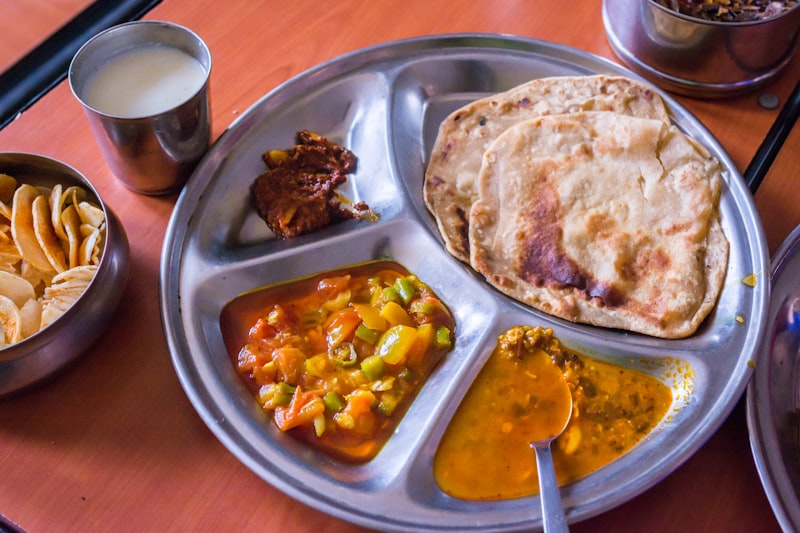
Why India Became the World's Vegetarian Capital
Vegetarianism in India is primarily driven by religious and cultural beliefs. Hinduism, Jainism, and Buddhism all emphasize ahimsa (non-violence), which extends to the treatment of animals. In many Indian communities, vegetarianism is not a personal choice but a family tradition passed down through generations. Entire states like Gujarat and Rajasthan have predominantly vegetarian populations, and their cuisines have evolved over centuries to create incredibly satisfying meals without any meat.
Unlike Western vegetarianism, which often feels like "meat dishes minus the meat," Indian vegetarian cooking was never built around animal protein in the first place. The cuisine developed independently, with its own techniques, ingredients, and flavor systems designed specifically for plant-based ingredients.
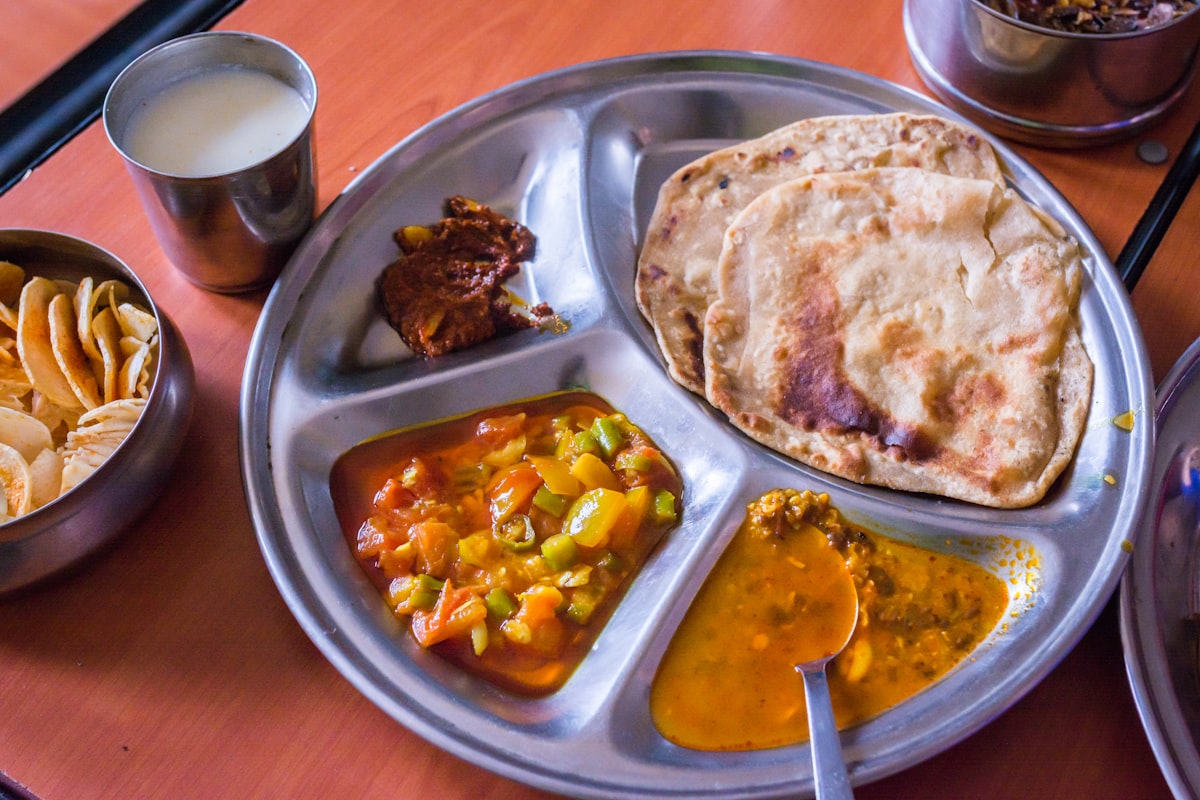
The Protein Powerhouses: Dal, Paneer, and Legumes
The question every vegetarian gets asked is: "Where do you get your protein?" In India, the answer is everywhere. Dal (lentil curry) is eaten daily across the entire country — from simple tadka dal seasoned with cumin and garlic to rich dal makhani slow-cooked with cream and butter. India grows dozens of varieties of lentils, each with its own texture and flavor profile.
Paneer (fresh cottage cheese) is the vegetarian's best friend in North India. It absorbs the flavors of whatever sauce it is cooked in while providing a satisfying, meaty texture. Paneer tikka (marinated and grilled), palak paneer (in spinach gravy), and paneer butter masala are dishes that make even dedicated meat-eaters forget they are eating vegetarian.
Chickpeas, kidney beans, black-eyed peas, and dozens of other legumes round out the protein picture. Chole (chickpea curry) is a street food staple, and rajma (kidney bean curry) is comfort food in every North Indian home.
The Spice Advantage: Why Vegetarian Indian Food Tastes So Good
The secret to Indian vegetarian food's incredible flavor lies in its spice technique. Indian cooks use a method called "tadka" or "tempering" — heating whole spices in oil until they pop and release their essential oils, then pouring this fragrant oil over the dish. This technique adds layers of flavor that make even simple vegetables taste extraordinary.
A humble cauliflower becomes aloo gobi — roasted with turmeric, cumin, and fresh ginger until golden and crispy. Okra transforms into bhindi masala — stir-fried with onions and spices until perfectly tender. Eggplant becomes baingan bharta — fire-roasted and mashed with tomatoes and aromatics into a smoky, complex dish that rivals any meat preparation.

Vegetarian Indian Food in Taichung
At Baba Indian Restaurant, we take pride in our extensive vegetarian menu. Every vegetarian dish is crafted with the same care, spice knowledge, and cooking technique as our meat dishes — because in Indian tradition, vegetarian food was never an afterthought. Whether you choose our paneer butter masala, dal fry, vegetable biryani, or aloo gobi, you are getting a dish with centuries of culinary evolution behind it.
For Taichung residents exploring plant-based eating, Indian cuisine offers perhaps the most satisfying and diverse vegetarian food tradition in the world. You will not miss the meat — we promise.